
 17 hours ago
3
17 hours ago
3
ARTICLE AD BOX
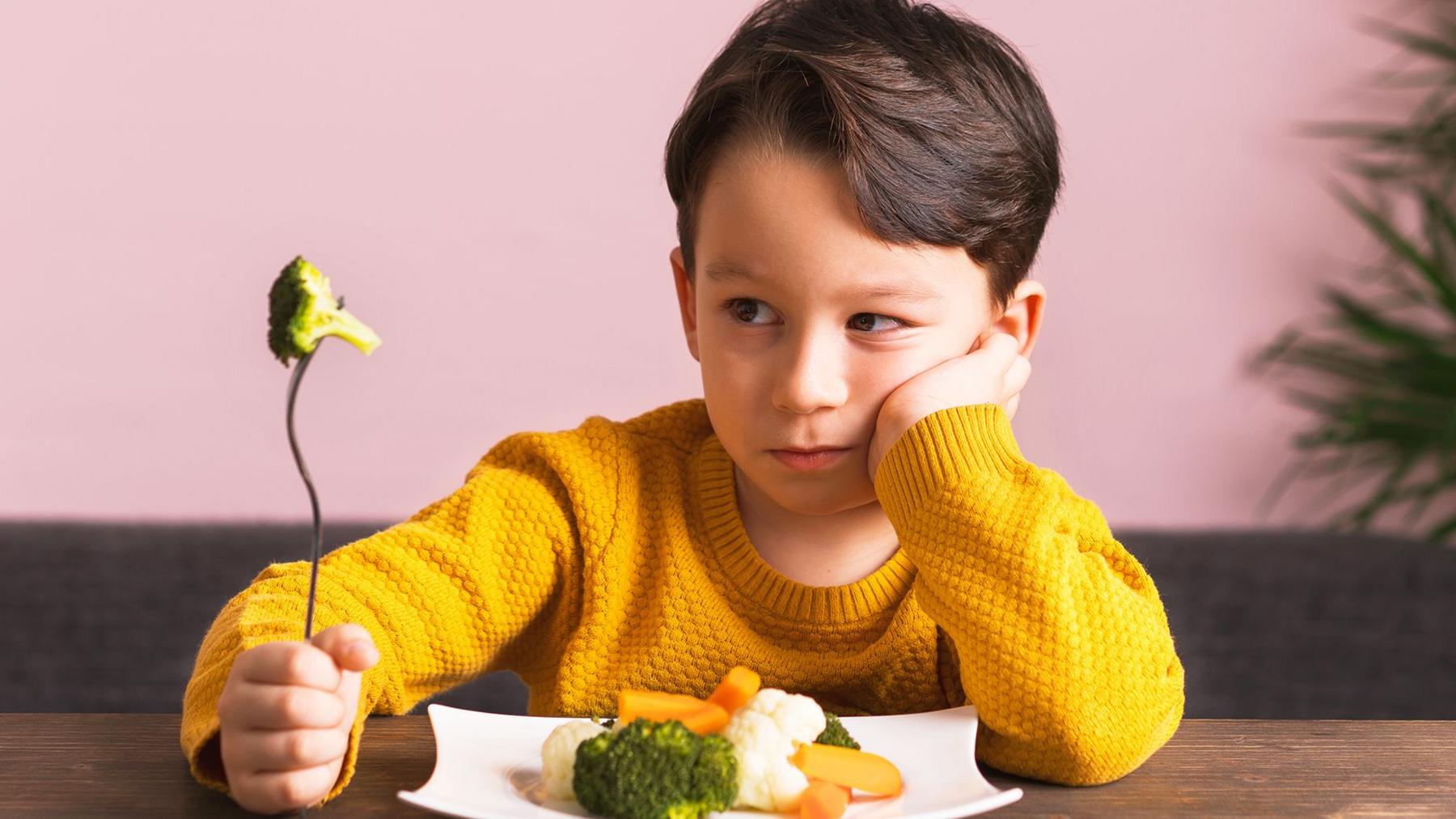 Image source, Getty Images
ByPhilippa Roxby
Health reporter
It's the start of the summer holidays and you've already had five battles with your child to get them to eat a bit of broccoli.
For many parents, these few weeks can be a stressful time of the year at the dinner table. So how should we deal with our picky eaters?
The BBC asked you for your tips on making mealtimes a more enjoyable experience.
Encourage eating veg by changing how you serve them
Mum-of-four Natalia, from south-west London, makes veggie nuggets for her children.
"They like green beans but not by themselves, so we just fry them in a little bit of butter and dip in breadcrumbs. The same with cauliflower and lots of other vegetables," she says.
Teacher Kieron Fisher, who lives in Newbury, Berkshire, includes vegetables in meals his six-year-old twins Kit and Ollie already enjoy, such as curries and spaghetti Bolognese.
"It helps increase their vegetable intake without causing a battle."
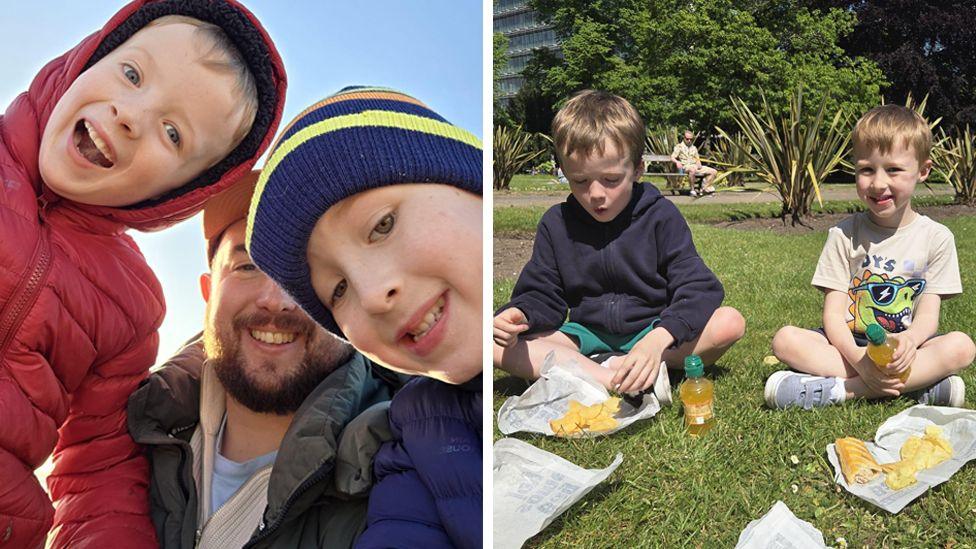 Image source, Kieron Fisher
Kieron's twins Kit and Ollie can be "quite fussy at times" but picnicking in the park is always a hit
Emma Robins, from Reading, says broccoli hidden in pesto pasta is a favourite for her three-year-old son Alfred, as well as veg pulsed into pasta sauces. She also recommends making your own burgers with vegetables.
A lack of routine in the holidays can be particularly challenging for some children, so Kieron suggests using visual boards showing the healthy snack they are about to have and another showing the activity they are going to do next.
Children with special educational needs can sometimes experience sensory difficulties when it comes to food - and are not classified as fussy eaters. Some of these suggestions may not be suitable for them.
Don't force them to finish everything on their plate
"If they're hungry, they'll eat. I don't force them to because I think that can instil pressure," says Doone, from London.
She says her daughter Cora, two, used to be the "best eater" but seeing others at nursery turn their noses up at certain foods made her do the same.
"I'm trying not to make a big deal of it. Even though they don't eat it, I always put the broccoli on the plate so that they're seeing it."
Emma suggests giving lots of options, so that kids think they are getting to choose. In Alfred's lunchbox, she always adds two or three healthy options.
And she says to praise them when they take an interest. "If they say one day they want carrots, run and get the carrots and give big praise when they eat them," Emma says.
Keep offering food until they try it
It may take up to 15 attempts before kids learn to like new foods, research suggests.
"Keep going," says one mum outside Barnes Primary School, in south-west London. "Keep offering it and they will pick it up and try it. We try to make everyone try everything in our house, even the tiniest bit."
Sometimes it can be the colour or texture of a certain food that puts them off, another parent says, until they actually try it.
Children refusing to eat new foods or rejecting ones they've always liked is not unusual. More than half will show fussy eating habits at some point, the NHS says, external.
Vegetables, in particular, can taste quite bitter to young palates. Most habits will improve over time.
But if your kids start to avoid certain foods and limit how much they eat in an unhealthy way, it's worth seeking medical advice, external.
Make eating a family affair - and get the portion size right
"I always eat with my girls and I eat what they're eating," says Doone, who has two "quite fussy eaters".
The British Nutrition Foundation agrees that food should be a family affair - allowing children to learn from what their parents do. When a bit older, they can help with preparation too.
Emma adds to the fun by taking her kids fruit picking and also by letting them choose at the supermarket, then having tasty picnics in the garden.
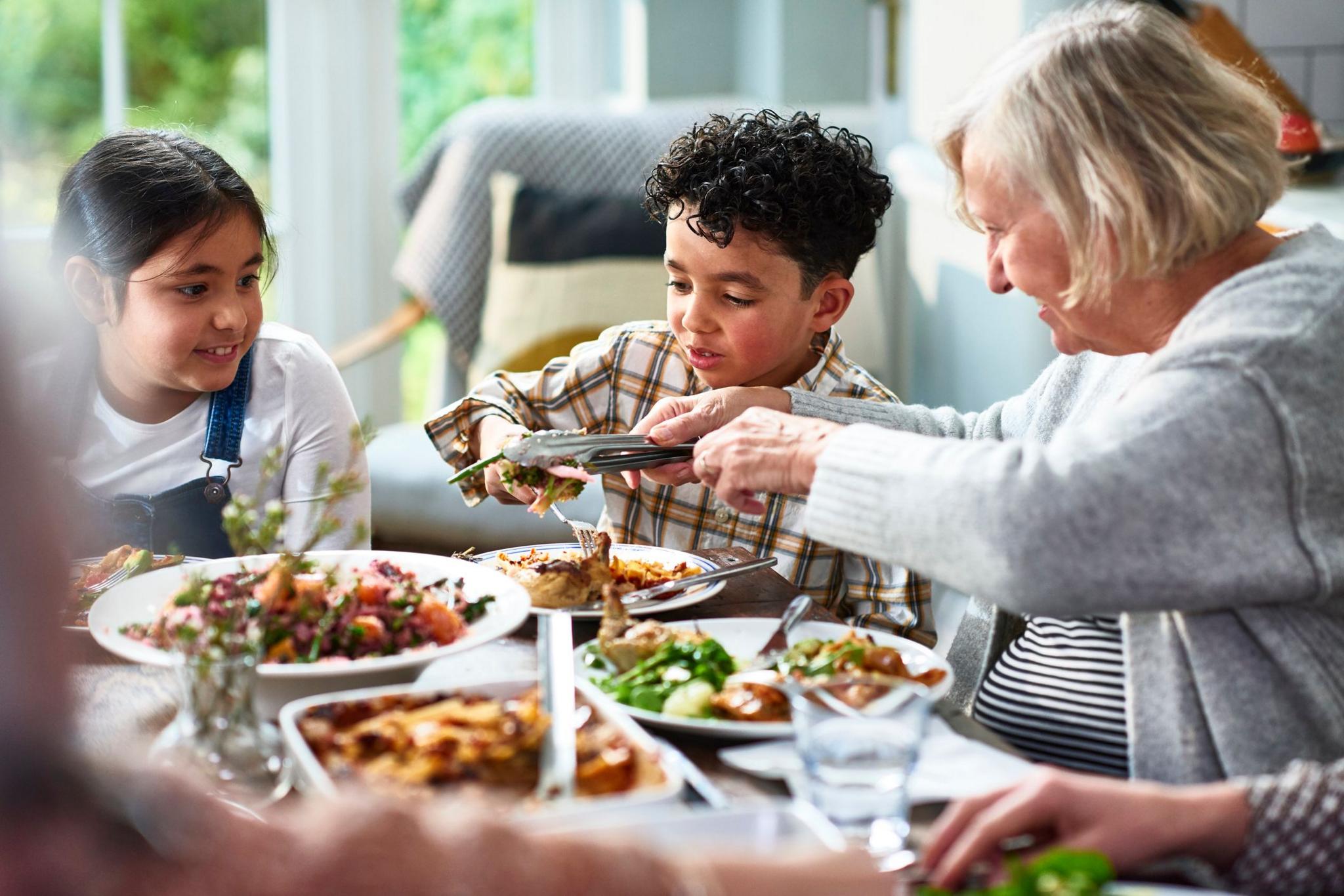 Image source, Getty Images
Nutritionists says food should be a family affair - allowing children to learn from what their parents do
But first thing's first, says Kieron: think about the portion size.
"I make sure their plates aren't too full or overcrowded, as too much food at once can feel overwhelming," he says.
Serve snacks alongside healthier options
Doone says: "I am making a conscious effort not to give many snacks because then they're more hungry at dinner time."
Natalia leaves out healthy finger food, like chopped peppers and apples, for her children to pick at.
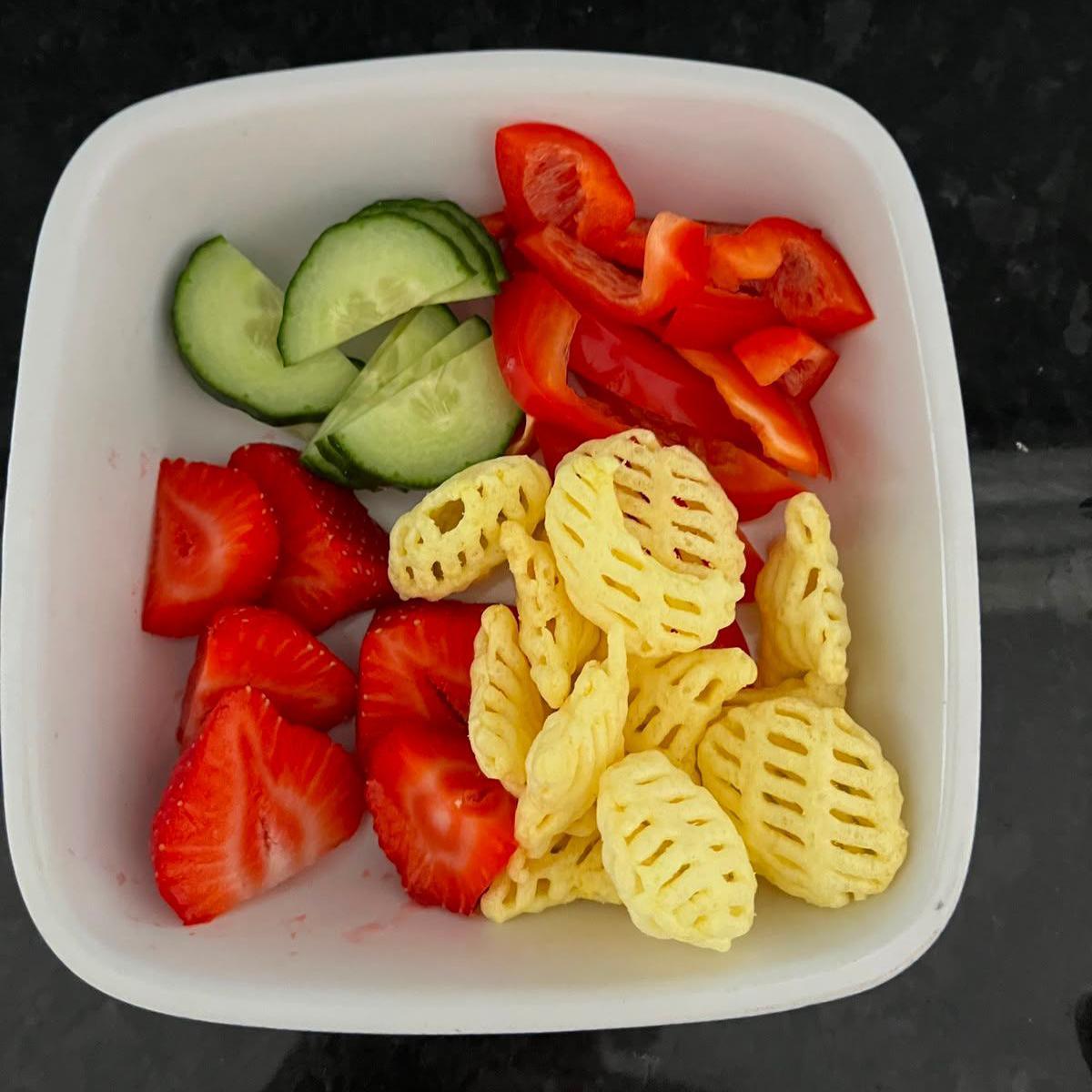
Finger food is easy to pick at
Don't completely ban them, says Kieron - just serve snacks alongside healthier options, like berries or other fruit, replicate snack times at school and don't stress about the odd treat.
"Six weeks [of summer holidays] is a long time, so it's about focusing on the overall balance of their diet rather than aiming for perfection every day," he says.






 English (US) ·