
 2 months ago
68
2 months ago
68
ARTICLE AD BOX
22 minutes ago
Rumeana JahangirNorth West

 Getty Images
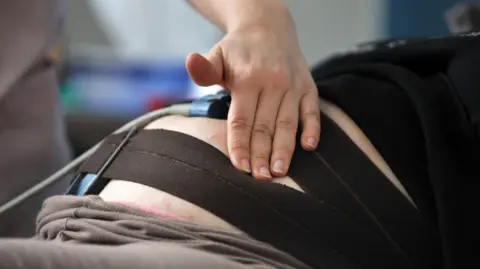
Many women say they have felt unsupported in their medical needs
"The trouble is, sometimes the world around us has been designed by men and therefore doesn't adequately take into account the needs of women."
Public health director Prof Matt Ashton is explaining why groups in Liverpool are trying to remedy the historical under-resourcing of women's healthcare.
A review of the city's medical challenges two years ago revealed its residents - male and female - had shorter lives than the national average.
"One of the things that came out of that report was the particular impact around female health outcomes and female life expectancy and so we've now done a deep dive into those issues," Ashton says.
"What it shows is that women in Liverpool spend around 30% of their lives in poor health and experience ill health around 10 years earlier than women nationally – well, clearly this is shocking."
Hundreds of health and community leaders gathered at a major conference on Friday to discuss making improvements, after the report also found lung cancer mortality and respiratory deaths among the city's women were double the national average.
Drug-related fatalities among women were also more than three times higher than the England average.
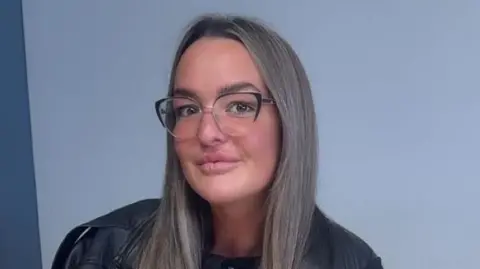
Toni Garrigos, who has been diagnosed with ADHD, says communication between different health services needs to improve
Debbie Nolan, head of health services for Citizens Advice Liverpool, says the data "reflects what the voluntary and community sector sees every day - women's health is shaped as much by poverty, housing, caring responsibilities and safety as by healthcare".
She adds community organisations fill "a vital role in supporting women where systems don't always meet their needs".
"Women in Liverpool face deep inequalities but also show incredible resilience."
 PA Media
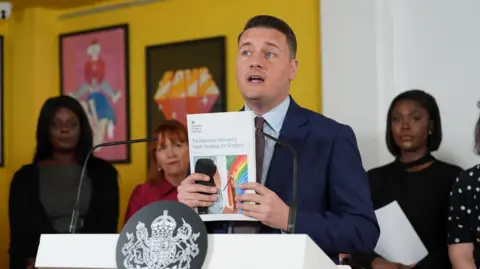
Health Secretary Wes Streeting shared the government's updated version of the Women's Health Strategy in April
Toni Garrigos, 35, told the conference she had been waiting 15 months for a psychologist's appointment after being diagnosed with attention deficit hyperactivity disorder (ADHD).
She completed a prison term after selling drugs to make ends meet as a single mother of three children.
"My offending behaviour was potentially linked to me having ADHD impulsivity and making decisions without thinking," she says.
"So obviously had I been diagnosed [earlier], that leads you to think would I have been where I am now and would I have ended up in prison?"
For prisoners to successfully rehabilitate, she says "probation, support and services need to come together because I think the communication between A and B is never done properly".
Rahima Farah, the council's assistant cabinet member for health, adds that "too many still feel unheard or unsupported".
"Women and girls across communities tell us they face different barriers to care - from language and cultural expectations to discrimination, trauma and unequal access to services.
"Improving women's health means recognising these differences, valuing lived experience, and working alongside communities to tackle the wider inequalities that affect women's health."
Ashton adds: "We need to be able to recognise and respond to particular needs of women more easily, properly and more consistently and we have to make access to advice and support easier and more joined up - overall this is about fairness."
In April, the government shared their update of the Women's Health Strategy, when Health Secretary Wes Streeting said they wanted to "dismantle the culture and ingrained behaviours that allow medical misogyny to fester and grow".
They plan to shorten waits for gynaecology care, have fewer painful procedures without informed consent or pain relief choices, and provide easier access to contraception.

 English (US) ·