
 2 months ago
63
2 months ago
63
ARTICLE AD BOX
2 hours ago
Noor NanjiCulture correspondent

 Getty Images
On Wednesday morning, I walked into Channel 4's offices in central London and took a seat in a room eyeball to eyeball with its boss.
The broadcaster was holding a press event to unveil its annual report, but it was completely overshadowed by the crisis surrounding one of its biggest shows.
Over the past five weeks, Panorama had been in correspondence with Channel 4 detailing allegations of sexual misconduct on Married at First Sight UK, and the broadcaster's replies had come back in what felt like dismissive and heavy-handed language.
Now, finally, the story was out, and it was time to get some answers on the record. And the dozens of journalists gathered in the room didn't hold back.
The response from chief executive Priya Dogra was a stark contrast to the tone Channel 4 had adopted in correspondence with the BBC previously.
Up until last week, Channel 4 was calling the allegations the BBC had presented to them "wholly uncorroborated and disputed".
In the Panorama investigation, two women said they were raped by their on-screen husbands during filming, while a third described a non-consensual sex act.
The impact has been swift, and sizeable. Channel 4 launched an external review, all the episodes have been taken down from its streaming service, and a major sponsor has pulled out.
What doesn't get talked about as much, is what happens in the run-up to a big investigation, and why it can often take so long.
In our case, it took 18 months.
It all began with a meeting in the BBC's London headquarters. A woman who had been a bridesmaid on MAFS UK came in to raise concerns about alleged sexual misconduct and welfare standards on the production.
What we heard was deeply troubling. We wanted to know more, and we started investigating.
Over more than a year, we met the three women who would become the main contributors in our documentary.
All three gave detailed and traumatic accounts of their time on MAFS UK. It was shocking that allegations of such seriousness could be made about what was going on behind the scenes of such a big TV show.
The parallels between the accounts started piling up. The feeling of being let down. The disappointment with the welfare team. The sense that women were being put at risk for entertainment.
Their on-screen partners have denied all the allegations against them and say all sexual contact was consensual. Channel 4 has said that based on the knowledge it had at the time, it had made "the right decisions". CPL Productions, which makes the series, gave us detailed descriptions of its welfare system which it said is "gold standard".
As the investigation progressed, we did everything we could to corroborate the women's accounts - including scouring mobile phone histories, speaking to other cast members, as well as friends and family.
 Getty Images
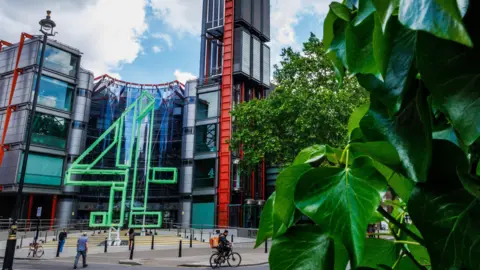
Channel 4's office in central London
As we hit April, the BBC first sent the allegations to Channel 4 and CPL. These are letters intended to seek responses from those against whom allegations are being made.
Immediately, there was strong pushback. We were told CPL were able to provide contemporaneous notes of the "utmost accuracy" which proved appropriate decisions had been made.
CPL shared selected notes with Panorama but in many instances, these records confirmed that the women had in fact made reports of some of the allegations they later told us about, to the welfare team at the time.
We went back to our sources, checking and cross-referencing.
By this point, one legal firm representing one of the men against whom allegations were being made, told us its fees were being paid for by CPL. A sign that support was being offered to the men, while the women felt unsupported.
Despite all the lengthy letters, what no one was challenging was the central allegations in each of the three women's cases, that they had been subjected to serious sexual misconduct.
We kept our nerve, and kept pushing back.
On Monday morning, hours before the Panorama edition that would make the allegations public, CPL went into what one former MAFS UK worker has described to us as "damage control" mode, firing off an email to former cast and crew and giving them advice about talking to the press.
It also correctly advised against speculating on the identities of the anonymous contributors making rape allegations, because they are entitled to anonymity by law.
Fifteen minutes after we broke the story, an email dropped into our inbox. It was Channel 4, announcing it had launched a review divided into two parts. One led by a legal firm into how Channel 4 handled the allegations, and a second one into welfare protocols on MAFS UK.
As the Panorama was broadcast, social media lit up.
An hour later, Channel 4's chief executive emerged into the evening, clipboard in hand, outside their offices in Horseferry Road, London.
She expressed "sympathy" for the women, but declined to apologise when asked by a reporter, turning instead to walk back into the office.
Over the next few days, questions mounted for Channel 4 over its handling of the crisis.
On Wednesday, we got a chance to ask some of those questions at that Channel 4 annual report media briefing.
BBC News asked why Channel 4 has now commissioned a two-part review, when it had said as recently as last week that the allegations were "wholly uncorroborated".
"It is for other people to look into allegations that the women have made, our job is to look at allegations of a duty of care failure. That's the distinction between the two," Dogra responded.
She added that Channel 4 "is a broadcaster not an adjudicator" but as many have commented following the publication of our investigation, that statement rather misses the point.
If a TV format results in any allegations of sexual misconduct, let alone rape, then serious questions should be asked about the format itself, and whether any welfare procedures are truly capable of keeping contributors safe.
The BBC, like Channel 4, is a public service broadcaster - and it too is no stranger to controversy. In the past 12 months, barely a month has gone by when TV crews haven't been huddled outside Broadcasting House because of various crises, from Scott Mills' sacking to the Panorama Trump edit. It's also faced criticism about the handling of its own controversies.
"I think any organisation needs to start with the welfare of those who have come forward," said John Shield, former director of communications at the BBC.
"The most important thing is to show humility and show you're taking concerns seriously. You never want the story to become your handling of the issue, and that happens very quickly if you're not focused on the people who've raised the concerns."
As the week draws to a close, there are still a lot of unanswered questions. We still don't know who, within Channel 4, decided it was appropriate to continue filming and broadcasting MAFS UK as allegations were being reported to it. No decision has been made on whether to air the new series, which has already been filmed.
Channel 4 has also said it only intends to publish "a summary of findings" from its review, rather than the full report.
Since broadcast, we have been contacted directly by a number of other former MAFS UK cast members, raising concerns. We continue to investigate.
- If you have more information about this story, you can reach Noor by email at noor.nanji@bbc.co.uk

 English (US) ·