
 2 hours ago
7
2 hours ago
7
ARTICLE AD BOX
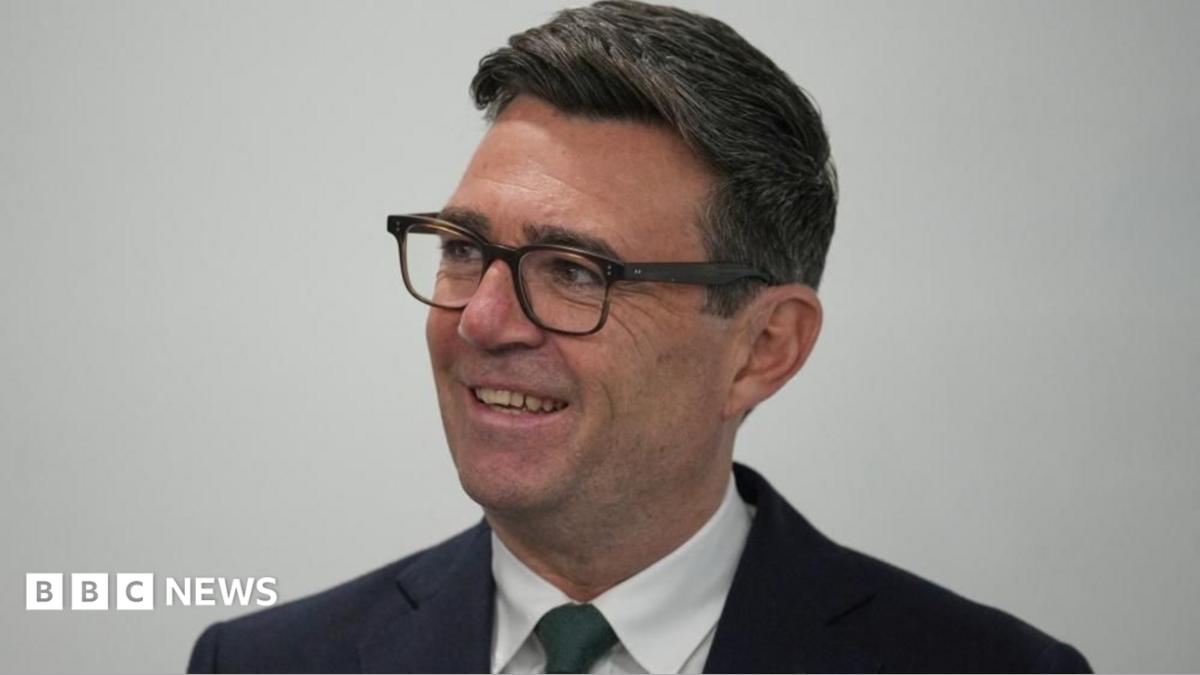
Burnham's opponents are having to recalibrate and work through how they take on a new prime minister.
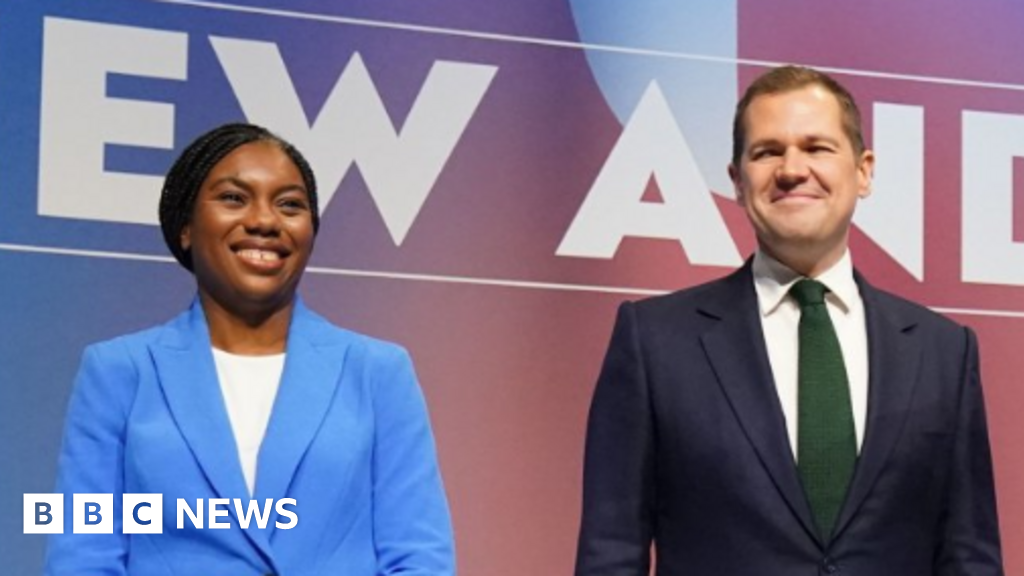
The Conservative leader Kemi Badenoch's al fresco speech and news conference on a rooftop in central London on Thursday was a tacit acknowledgement that the political terms of trade have changed.
She teased the new prime minister over his informal style – he "seems like a nice guy…I'm glad he's got a sense of humour," she told us, before getting to the essence of her critique, that his offer was superficial, and thin.
"Is that it?" she asked, adding: "He is behaving like he's still the mayor of Manchester. He is now the prime minister of the United Kingdom."
Burnham wants to project a sense that he gets it - the cost of living pressures so many feel so acutely - and he is getting a move on.
But in just these first few days there has been a reminder that life comes at you fast as prime minister.
Firstly, on the domestic front – his intervention on the early release of prisoners in England and Wales, demanding what he calls a "pause", is a case study in the dilemmas of governing: crowded prisons and, so, difficult choices between least worst options – which criminals to free first.
Secondly, on the international front – after Burnham renewed America's permission to use British airbases for what are called "defensive" strikes on Iran, Tehran is claiming those bases are now legitimate targets. And, with the conflict in the Middle East escalating, the oil price is spiking again.
Then there are the huge questions that tumble from Burnham's big promises.
He has pledged, for instance, "the biggest council house building programme since the post war period." How would this be paid for? And what does the promise actually mean?
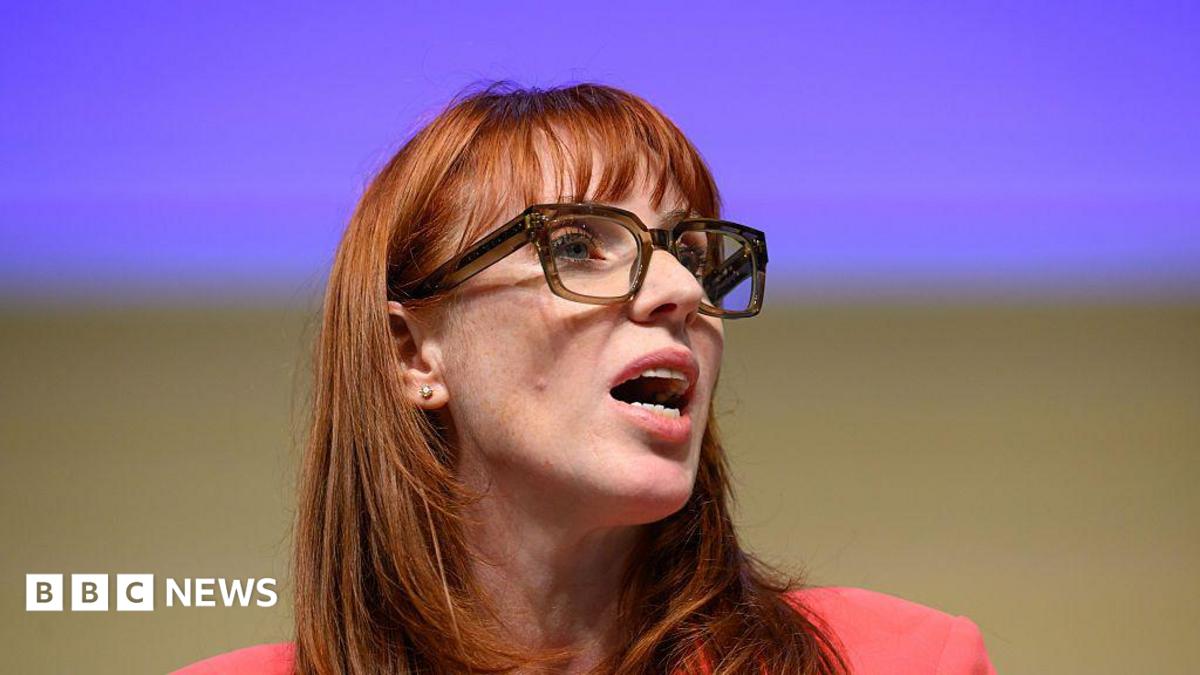
It is worth a listen to Matt Chorley's interview with Angela Rayner on BBC Radio 5 Live on precisely this point - the housing secretary isn't able to define when the "post war period" ended and therefore there is no numerical target attached to what appears to be a rather bold promise.
And this on the same day that Rayner acknowledging keeping Labour's promise to build 1.5 million new homes in England by 2029 looks rather shaky: she told the BBC it was "a difficult target".
What about defence spending? The new chancellor, John Healey, packed it in as defence secretary because he thought the department he now runs, the Treasury, didn't get it when it came to keeping us safe.
Let's see how he gets on now the boot is on the other foot.
Burnham is cutting business rates for some in England, but what of Labour's promise in its manifesto two years ago to "replace the business rates system, so we can raise the same revenue but in a fairer way." Will that happen?
And beyond the symbolism of having a prime ministerial office outside London, what, in practical terms, can No10 North actually achieve? How much clout and authority is it given? Just how often will senior ministers be there? And how much will it cost?
Civil servants are being asked if they would like to relocate to the north west of England. The indications from Team Burnham is they take it hugely seriously, but does the civil service truly respond to that, and given the turbulence in politics in recent years, is it an idea that lives beyond this prime minister?
Given the intended long term home of No10 North is currently a building site and is not due to be finished until 2032, this is a live question.


 English (US) ·